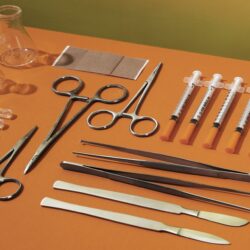
The development of dental care has been greatly enhanced because of the development of tools, materials, and methods of surgery. The basis of any effective dental practice is dependable dental tools, clean surgical kits, and accurate implant kits. These components are critical in the provision of safety, accuracy, and positive results in patients, whether it is routine treatment or advanced oral surgeries. It is crucial for dental professionals, clinic managers, and healthcare buyers to understand how such tools work and why they are relevant to them in the pursuit of quality and efficiency.
Contemporary dental treatment relies on accuracy-based machinery that is aimed at assisting clinical brilliance and patient convenience. From simple tools used in diagnosing teeth to highly advanced surgery and implantation systems, Dental Instruments and kits are thoroughly designed to the high medical standards. The right choice of instruments can not only increase the level of accuracy during procedures but also optimize the supply of resources and the ultimate success of the practice. This guide identifies dental instruments, surgical sets, and implant kits and explains their significance, usage, and advantages in the modern dental practice.
Knowledge of Dental Instruments
Dental instruments refer to special equipment employed in investigating, treating, and maintaining oral health. Each instrument is purpose-specific and is handled precisely, giving a good outcome.
Kinds of Dental Instruments
Dental equipment is usually classified into diagnostic, preventive, restorative, and surgical equipment. Oral conditions are examined with the aid of diagnostic equipment like mouth mirrors, explorers, and probes. Scalers and curettes are some of the preventive tools that assist in the removal of plaque and tartar. Restorative instruments help to fill, shape, and polish teeth, whereas surgical instruments are applied in extractions, periodontal therapy, and implant surgery.
Significance of Quality Dental Instruments
Good dental equipment enhances precision, shortens the treatment period, and increases patient safety. Medical-grade stainless steel or titanium instruments are durable, resistant to corrosion, and can be easily sterilised. With trustworthy tools, practitioners would have reduced fatigue and consistency in clinical performance.
Dental Surgical Materials and Uses
Dental surgical sets are defined as groups of instruments that are arranged in a defined way to perform certain procedures. These sets simplify the way work is done since all the tools required are in a systematized format.
Surgical sets of a common type
Dental surgical sets are different depending on the treatment. Extraction sets, periodontal surgery kits, oral surgery sets, and implant surgery sets are common sets. As every set has instruments suitable for the needs of a surgical process, dentists are able to work effectively without pauses.
The Advantages of Utilizing Surgical Sets
Surgical sets improve the efficiency of the process, preserve sterility, and decrease the time required in preparation. A full and properly packed set will reduce the chances of losing instruments and make the surgeries easier. This agency plays a significant role in dental clinics and hospitals that serve a large number of clients.
Modern Dentistry Implant Kits
Dental implant kits refer to specialized machines that are used to install dental implants in a precise manner. These kits are used to re-formulate the missing teeth, and this is critical to the success of the implants.
Dental Implant Kits Components
Kits of implants usually have drills, drivers, torque wrenches, depth gauges, and alignment tools. All the parts provide precise implant positioning and bone stability and integrity. The newer kits of implants are made so that they will be compatible with other implant systems.
Benefits of Advanced Implant Kits
Contemporary implant packages promote the precision of surgery, minimize the duration involved in the practice, and improve the recovery of patients. Accurate machined parts will contribute to the correct alignment and osseointegration, resulting in the success of implants over a long period of time and patient satisfaction.
Materials and Manufacturing Standards
Dental equipment, surgical kits, and implant kits should be of good quality with high standards of safety. The common reasons are that medical-grade stainless steel and titanium are strong, biocompatible, and resistant to corrosion. Both quality, precision, and international medical standards are maintained through advanced manufacturing processes.
Sterilization and Maintenance
Dental equipment and kits can be preserved by proper sterilization and maintenance necessary to ensure the longest possible life and safety of dental instruments and equipment. Contamination can be prevented by autoclaving, ultrasonic cleaning, and proper storage to ensure that the instruments perform correctly. Periodic check-ups are used to detect wear and also provide patient safety.
Selecting the appropriate Dental Instruments and Kits
The choice of dental instruments, surgery sets, and implant kits is based on clinical requirements, the nature of the procedure, and the scale of practice. The dentists need to focus on the quality, compatibility, ergonomics, and reliability of the manufacturer. There will be improved clinical outcomes and cost efficiency in the long run because of the investment in high-quality tools.
Role in Patient Care and Growth of Practice
Good dental equipment and kits help provide better patient care. Accurate tools decrease pain, decrease treatment time, and optimize treatment results. In the case of dental practices, quality equipment will create trust, enhance reputation, and sustain growth.
Conclusion
The base of effective and ultramodern dental care is dental instruments and surgical sets, as well as implant kits. These tools are used in simple procedures like the regular check- ups and in a complicated procedure like the facial implant surgery, which makes them precise, safe, and effective. Their knowledge will help dental professionals to make effective opinions that lead to improved patient issues and practice performance. The purchase of a quality dental outfit isn’t only a clinical demand, but also a strategic decision that’s strategic in ensuring dentistry achieves success in the long term.
FAQs
Q1: What are the purposes of dental instruments?
A: Dental instruments are applied in diagnosing, treating, and maintaining oral health, such as examinations, cleanings, restorations, and surgeries.
Q2: What is the significance of dental surgical sets?
A: Surgical sets offer structured and comprehensive equipment for specific procedures, enhancing efficiency, sterility, and accuracy of the procedure.
Q3: What does a dental implant kit contain?
A: A dental implant kit generally comprises drills, drivers, torque tools, depth gauges, and alignment instruments that ensure that the implants are placed correctly.
Q4: What are the effects of quality instruments on patient outcomes?
A: Quality instruments also enhance accuracy, decrease the treatment time, increase safety, and lead to faster healing and improved outcomes.
Q5: What is required in the maintenance of dental instruments?
A: Dental equipment must be cleaned, sterilized, checked regularly, and properly stored to last long and be safe for the patients.