The way ahead for algorithmic trading will likely be outlined by several key trends. Quantum-AI risk engines symbolize a $2.86 billion sub-market projected to reach $24 billion by 2033, focusing on systemic shock modeling and quantum-accelerated Monte Carlo simulations. Explainable AI necessities https://www.xcritical.com/ have gotten obligatory as regulators demand transparency in algorithmic decision-making. For buyers contemplating algorithmic trading in derivatives, a strategic strategy is crucial to harness its energy while mitigating its inherent dangers.
- One of the principle professionals of algorithmic trading is the elimination of human error in decision-making.
- These techniques aren’t just following a script; they’re learning, predicting, and adapting to turn uncooked information into a real trading benefit.
- And this isn’t restricted to a single trade or geography, as the computer can scan charts and execute trades in stock markets around the globe.
- Moreover, algorithmic buying and selling is continually evolving, incorporating cutting-edge applied sciences similar to synthetic intelligence and machine learning to reinforce its predictive capabilities and adaptability.
Minimizes Human Error
Flash crashes happen when quite a few automated trades execute simultaneously, inflicting abrupt market swings that may create instability and potential losses for traders. In conclusion, successful algorithmic trading strategies capitalize on market tendencies, value discrepancies, or statistical anomalies to generate income. From trend following to high-frequency buying and selling and machine learning techniques, these approaches have confirmed effective in numerous market circumstances and continue to evolve as expertise advances. Its roots could be traced back to the Nineteen Seventies when computers started replacing human flooring merchants at inventory exchanges. Nevertheless, it wasn’t till the early Eighties that algorithmic buying and selling gained important popularity.
Algorithmic Trading Vs Human Merchants: A Comparability
Which offers traders access to extra info with out having to pay for it individually. This makes it easier for traders with restricted financial resources to get began within the markets with out spending a fortune upfront. As exchanges adopted digital buying and selling techniques all through the next a long time, algorithmic trading gained momentum. By 2009, greater than 60% of all trades in the Usa had been executed using computers. The rise of high-frequency trading technology additional boosted the adoption price, permitting companies to process tens of thousands algorithmic trading of trades per second.
It allows traders to automate selections, process huge amounts of knowledge, and execute trades at speeds far past human functionality. As markets evolve and know-how advances, algo buying and selling becomes increasingly well-liked amongst retail merchants, institutions, and hedge funds trying to enhance effectivity and reduce emotional decision-making. At its core, an algorithmic trading technique is just a pre-programmed algorithm used to execute trades at a speed Stockbroker and scale that no human ever may.
Instead of getting confused throughout huge news occasions like earnings, Infinity Algo really will get better. It uses AI to understand how big institutions are positioning themselves, tracks earnings momentum, and sees when money is rotating between sectors. It adjusts itself automatically whether or not the market is rising, falling, or caught in a range. Plus, it’s sensible about completely different sectors—it knows buying and selling a tech stock isn’t the identical as trading a utility inventory. Users have reported a really excessive success fee on stock trades and beating the overall market’s common return.
It Follows The Foundations Each Time
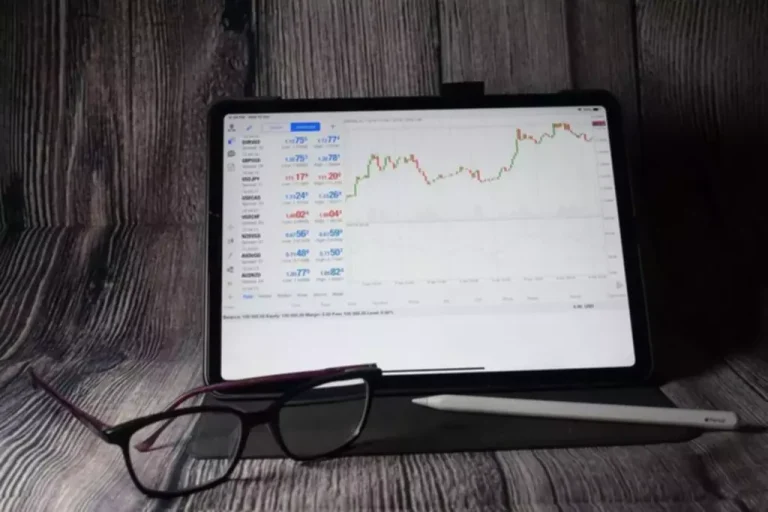
Market volatility, regulatory constraints, technical glitches, and competitors from massive algorithmic merchants pose important risks. Constant adaptation is critical to avoid technique failure in unpredictable trading environments. Nevertheless, the increased effectivity can also lead to elevated market volatility. This is as a end result of the excessive frequency of trades can cause costs to fluctuate rapidly. This can make the market more unstable, which may enhance the danger for traders. Sentiment Evaluation is a sort of algorithmic buying and selling strategy that uses news articles, social media posts, and financial info to evaluate market sentiment or investor feelings.
You want velocity and reliability to handle huge quantities of information and react instantly to market adjustments. This is a straightforward, pre-set order that routinely exits a dropping trade as soon as it hits a certain worth. It’s your hard flooring, stopping a small, manageable loss from spiraling right into a disaster. Think of risk management like a pilot’s pre-flight checklist in your bot. These are the non-negotiable guidelines and safety nets that keep your system flying straight, even by way of heavy turbulence.
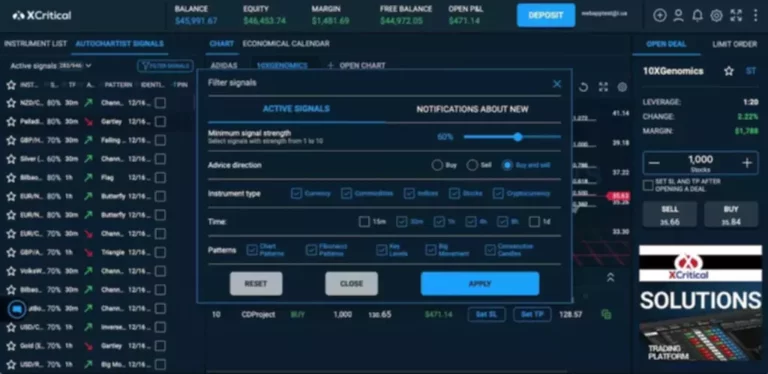
Algorithmic Trading: Explained Tiomarkets
Success hinges on more than just highly effective infrastructure—it requires built-in solutions capable of handling every thing from microsecond buying and selling to large AI-driven knowledge evaluation. This reliance on proprietary ML/DL fashions has redefined the infrastructure landscape. The race is less about brute force or raw clock speeds, and more about constructing secure, high-performance environments that prioritize IP safety.
For occasion, these superior fashions require in depth computing power and huge datasets for training, which can end in excessive prices and important infrastructure investments. Moreover, machine learning algorithms can typically create unintended consequences, such as generating false alerts primarily based on noise or misinterpreting context because of a lack of common sense or human instinct. Moreover, the increasing use of AI in monetary markets raises ethical considerations concerning transparency, accountability, and equity in buying and selling practices. Beyond these core advantages, algorithmic buying and selling additionally fosters improved threat management by enabling precise control over entry and exit points, stop-loss orders, and different danger mitigation measures.
